7 Parking Lot Safety Mistakes I See All the Time (And How You Can Dodge Them)
Seven common parking lot safety hazards that organizations often overlook, from speed limits and lighting to seasonal preparation and emergency planning.
Lara Ward·
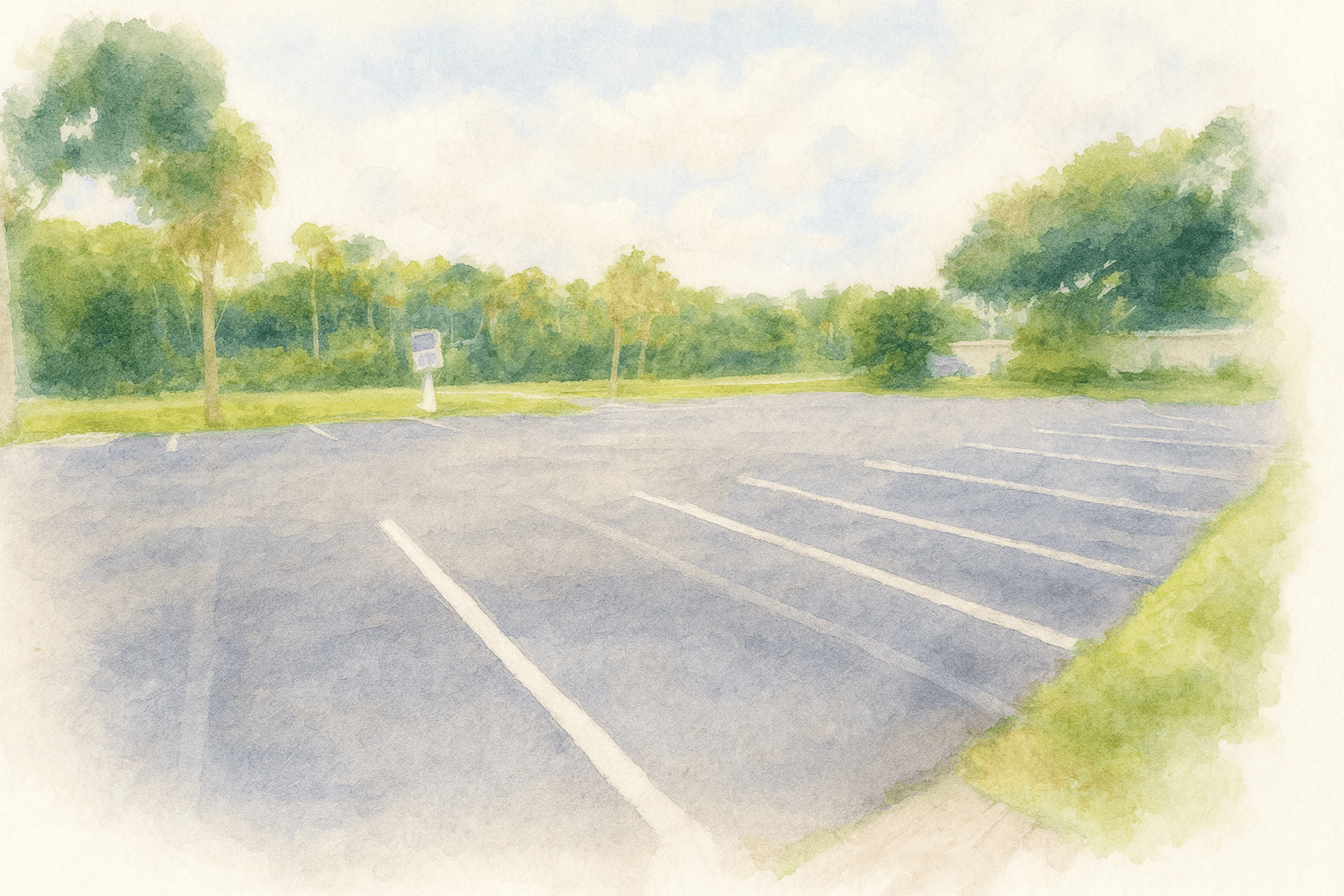
Hey, Lara Here.
Parking lots don't look dangerous at first glance. They're not the factory floor with forklifts whizzing by or a construction site with cranes swinging overhead. But I've seen more slips, bumps, fender-benders, and "oops-I-didn't-see-you" moments in parking lots than I can count.
The truth is, parking lots are one of the most overlooked safety zones. Everyone uses them, staff, volunteers, visitors, delivery drivers, you name it. That makes them high-traffic and high-risk.
Today I want to walk you through seven mistakes I see all the time in parking lots and how you can easily avoid them. Trust me, your ankles (and your insurance bill) will thank you.
1. Forgetting That Speed Limits Apply in Parking Lots
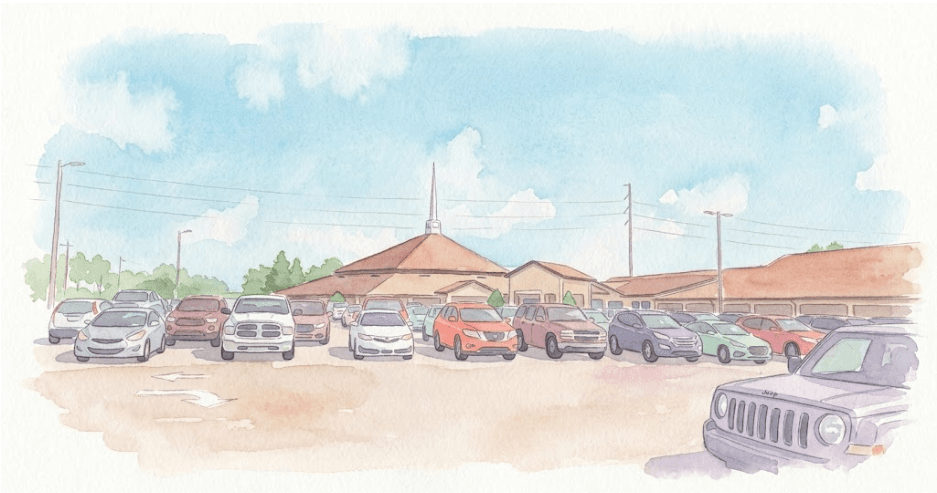
I once watched a guy zoom through a church parking lot like it was the Daytona 500. Spoiler alert: he wasn't even late.
Tip: Post clear speed limit signs (think 5–10 mph) and remind drivers this isn't a racetrack. If you're the driver, slow down, people walk unpredictably, especially kids.
Why it matters: A few extra seconds could be the difference between a close call and a call to 911.
2. Ignoring Lighting (aka "The Dark Zone")
Here's a scary one: I visited a site where half the parking lot lights had been out for months. Yikes, it was dark!
Tip: Do monthly lighting checks. Replace bulbs quickly, and consider motion sensors for energy savings.
Why it matters: Good lighting prevents trips, deters crime, and makes visitors feel safe after dark. Think of it as rolling out a welcome mat made of light.
3. Faded or Missing Paint Lines
Ever pulled into a lot where you can't tell what's a lane and what's a "creative parking space"? Yeah, chaos.
Tip: Re-stripe your lot every 1–2 years (more often in sunny, rainy, or snowy climates). Keep crosswalks and accessible spaces clearly marked.
Why it matters: Clear lines = fewer fender-benders, better flow, and happier visitors.
4. Potholes, Cracks, and "Ankle Traps"
I once caught my heel in a pothole the size of a soup bowl. Graceful? Not at all. Safe? Definitely not.
Tip: Inspect your lot quarterly. Fill potholes fast and seal cracks before they spread.
Why it matters: Potholes damage vehicles and cause falls. A simple patch job today saves lawsuits (and sprained ankles) tomorrow.
5. Forgetting About Pedestrians
Cars aren't the only hazard. People walk everywhere, kids dart between cars, older adults take slower steps, volunteers carry boxes without looking up.
Tip: Use crosswalks, bollards, or speed bumps to keep vehicles and people in their own lanes. And remind drivers: pedestrians always win the right of way.
Why it matters: Safe pedestrian flow = fewer near-misses and calmer drivers.
6. Skipping Seasonal Prep
I've seen Florida parking lots flood like small ponds, and Ohio parking lots turn into skating rinks in winter. Both are a recipe for disaster.
Tip: Plan ahead for weather hazards: salt and sand for ice, proper drainage for heavy rain, shade solutions for extreme heat.
Why it matters: Seasonal prep keeps your lot usable year-round and shows people you care about their safety.
7. No Clear Emergency Plan
Once, during a storm drill, no one knew where to guide people after they left the building. Everyone just milled around the cars. Not great.
Tip: Designate safe assembly areas outside the lot. Train staff and volunteers to direct people during evacuations.
Why it matters: Parking lots double as evacuation zones. Clear plans prevent panic and confusion when seconds count.
Bottom Line
Parking lot safety might not sound glamorous, but it's one of those "silent wins" that makes your whole organization run smoother. Fewer accidents, fewer complaints, more peace of mind.
When you have a safe parking lot it's like saying "welcome, we're glad you're here" before anyone even walks in the door.
So here's your challenge: pick one of these seven tips and put it into action this week. Start small, but start.
If you want a system that reminds you of inspections, tracks your safety progress, and keeps all your documentation in one place, join the Wooli waitlist today. We built it to make safety simple, so you can focus on your mission, not your paperwork.
Stay safe out there,
Lara

Written by
Lara Ward
Lara is a Certified Safety Professional (CSP) with deep expertise in risk management, OSHA standards, and organizational safety across sectors like hospitality and manufacturing. She leads the development of protocols, policies, and training content, serving as the platform's subject matter expert. Lara holds a Bachelor's degree in Public Health with a concentration in Environmental and Occupational Health from Kent State University, and a Master's in Safety Sciences from Indiana University of Pennsylvania.
More articles from Wooli
Churches & Non-Profits
How to Run a Monthly Safety Drill Without Disrupting Ministry
Learn how to run quick, calm 3-minute monthly church safety drills that protect your congregation and empower volunteers without causing panic or service delays.
Lara Ward·
Read
Churches & Non-Profits
Church Safety Plan: How to Build a Defensible Church Safety System
Churches are full of good people. That's one of the best things about them. It's also the reason many churches unintentionally take on more risk than they realize.
Wooli·
Read
Churches & Non-Profits
Church Security Risk Assessment: A Step-by-Step Guide for Safer Ministry
Learn how to conduct a church security risk assessment with a practical step-by-step process. Improve church safety, reduce risk, and build a stronger safety plan.
Wooli·
Read