Food Safety at Church Events: 7 Tips Every Church Should Know
Churches run on fellowship, and fellowship usually involves food. Learn 7 essential food safety tips to prevent foodborne illness at church potlucks, youth events, and fellowship meals.
Lara Ward·
Hey, Lara here.
Churches run on fellowship, and fellowship usually involves food.
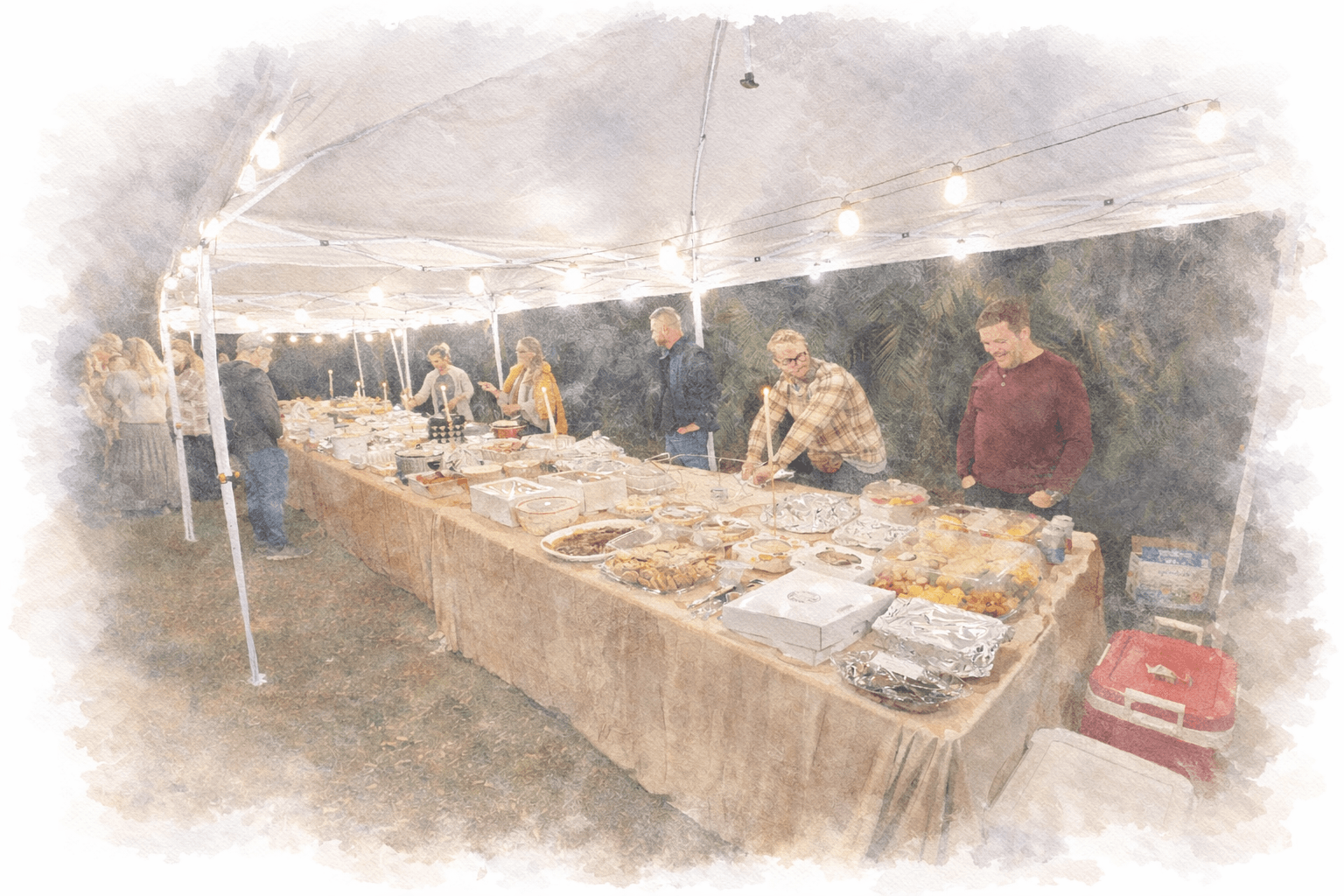
Potlucks. Youth spaghetti dinners. Vacation Bible School snacks. Funeral receptions. Sunday coffee stations. Chili cook-offs that get more competitive than they probably should.
Food brings people together. But it also brings one of the most overlooked risks in ministry life: foodborne illness.
Most church leaders think of church safety in terms of security, child protection, or emergency response. Very few think about what happens when fifty people eat potato salad that has been sitting out too long.
As a Certified Safety Professional, I can tell you this. Food safety at church events is not about being overly cautious. It is about basic, consistent habits that protect your people, reduce risk, and preserve your church's reputation.
Let's walk through what every church should know about safe food handling for church events.
1. Temperature Control Is Everything
The biggest food safety mistakes I see at church events are related to temperature control.
Hot foods cool down too slowly. Cold foods warm up too quickly. Crockpots get unplugged to make room for coffee. Food sits out longer than anyone realizes.
The danger zone for food is between 40°F and 140°F. Bacteria grow rapidly in that range, which is why temperature control is one of the most important parts of preventing foodborne illness.
What to check:
- Hot foods stay hot, ideally above 140°F
- Cold foods stay cold, ideally below 40°F
- Perishable items are not left out for more than two hours
- Outdoor church events shorten that window in warm weather
Pro Insight: If food has been sitting out and you are unsure how long, the safest decision is to discard it.
2. Hand Hygiene Matters More Than You Think
Food safety begins long before the serving line opens.
Volunteers preparing or serving food at church events should:
- Wash hands thoroughly with soap and water
- Avoid handling food if they are sick
- Use gloves or serving utensils
- Avoid bare-hand contact with ready-to-eat items
Why it matters: Viruses spread easily through improper hand hygiene. A single sick volunteer can affect dozens of people at a church meal or fellowship event.
Pro Insight: Hand sanitizer is helpful, but it does not replace proper handwashing.
3. Prevent Cross Contamination
Cross contamination happens when raw foods, dirty utensils, or unclean surfaces transfer bacteria to ready-to-eat food.
Common examples at church events include:
- Using the same cutting board for raw chicken and vegetables
- Storing raw meat above prepared food in refrigerators
- Reusing serving utensils without cleaning them
What to check:
- Separate raw and cooked foods
- Clean and sanitize preparation surfaces
- Keep serving utensils in each dish
Why it matters: Cross contamination is one of the leading causes of foodborne illness and is a major preventable food safety risk in church kitchens and fellowship halls.
4. Be Careful With Church Potlucks
Church potlucks are part of church culture. They are also difficult to control.
You often do not know:
- How the food was prepared
- How long it traveled
- Whether it was refrigerated properly
- If allergens are clearly identified
If your church hosts potlucks:
- Encourage hot foods to be brought in insulated containers
- Provide ice trays for cold dishes
- Label common allergens like nuts, dairy, and gluten
- Assign volunteers to monitor serving tables
Pro Insight: Consider having church food safety guidelines posted or included in event announcements.
5. Pay Attention to Food Allergies
Food allergies are more common than many people realize.
Before church events, especially youth ministry events or children's programs:
- Ask about known allergies
- Clearly label snacks
- Avoid cross-contact between allergen and non-allergen foods
- Train volunteers to take allergy concerns seriously
Why it matters: Allergic reactions can escalate quickly and may require emergency response. Churches that serve food need to treat allergen awareness as part of their overall safety plan.
6. Clean Up Is Part of Food Safety
Leftovers Should Be:
- Refrigerated promptly
- Stored in clean containers
- Labeled with dates
Surfaces Should Be:
- Cleaned and sanitized
- Trash removed promptly
- Floors wiped to prevent slip hazards
Pro Insight: Greasy fellowship hall floors after a meal are a common slip-and-fall risk. Church event safety includes cleanup, not just food prep and serving.
7. Know When to Call in Professionals
Large church events, community outreach meals, or ongoing food service programs may require additional oversight.
Check local health department regulations if you:
- Serve large public events
- Operate a regular food pantry
- Provide meals to vulnerable populations
- Partner with outside catering services
Compliance protects both your guests and your ministry.
Bottom Line on Food Safety for Churches
Food is one of the most joyful parts of church life. It builds community, connection, and hospitality. But joy does not eliminate responsibility.
A few simple food safety habits can help prevent illness, protect your congregation, reduce liability, and preserve trust.
Start small this week. Review how food is stored. Remind volunteers about hand hygiene. Assign someone to monitor food temperatures at your next church event.
If you want a system that tracks event checklists, volunteer training, and food safety guidelines in one place, join the Wooli waitlist. We built it to help churches manage everyday risks without adding unnecessary complexity.
Safety always,
Lara

Written by
Lara Ward
Lara is a Certified Safety Professional (CSP) with deep expertise in risk management, OSHA standards, and organizational safety across sectors like hospitality and manufacturing. She leads the development of protocols, policies, and training content, serving as the platform's subject matter expert. Lara holds a Bachelor's degree in Public Health with a concentration in Environmental and Occupational Health from Kent State University, and a Master's in Safety Sciences from Indiana University of Pennsylvania.
More articles from Wooli

Churches & Non-Profits
How to Run a Monthly Safety Drill Without Disrupting Ministry
Learn how to run quick, calm 3-minute monthly church safety drills that protect your congregation and empower volunteers without causing panic or service delays.
Lara Ward·
Read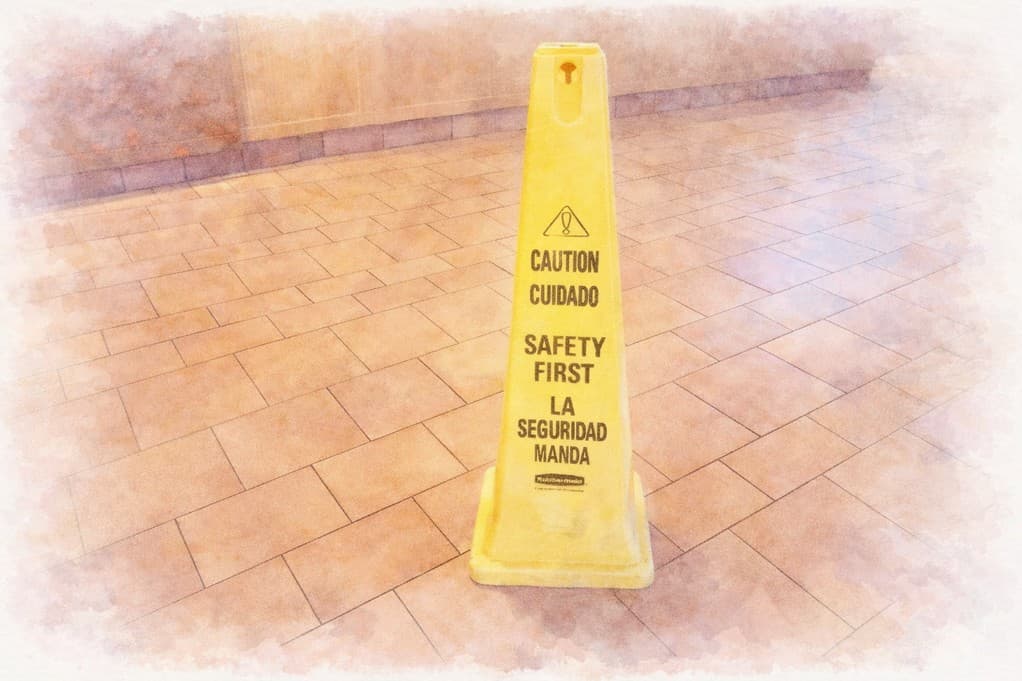
Churches & Non-Profits
Church Safety Plan: How to Build a Defensible Church Safety System
Churches are full of good people. That's one of the best things about them. It's also the reason many churches unintentionally take on more risk than they realize.
Wooli·
Read
Churches & Non-Profits
Church Security Risk Assessment: A Step-by-Step Guide for Safer Ministry
Learn how to conduct a church security risk assessment with a practical step-by-step process. Improve church safety, reduce risk, and build a stronger safety plan.
Wooli·
Read