Church Safety Plan: How to Build a Defensible Church Safety System
Churches are full of good people. That's one of the best things about them. It's also the reason many churches unintentionally take on more risk than they realize.
Wooli·
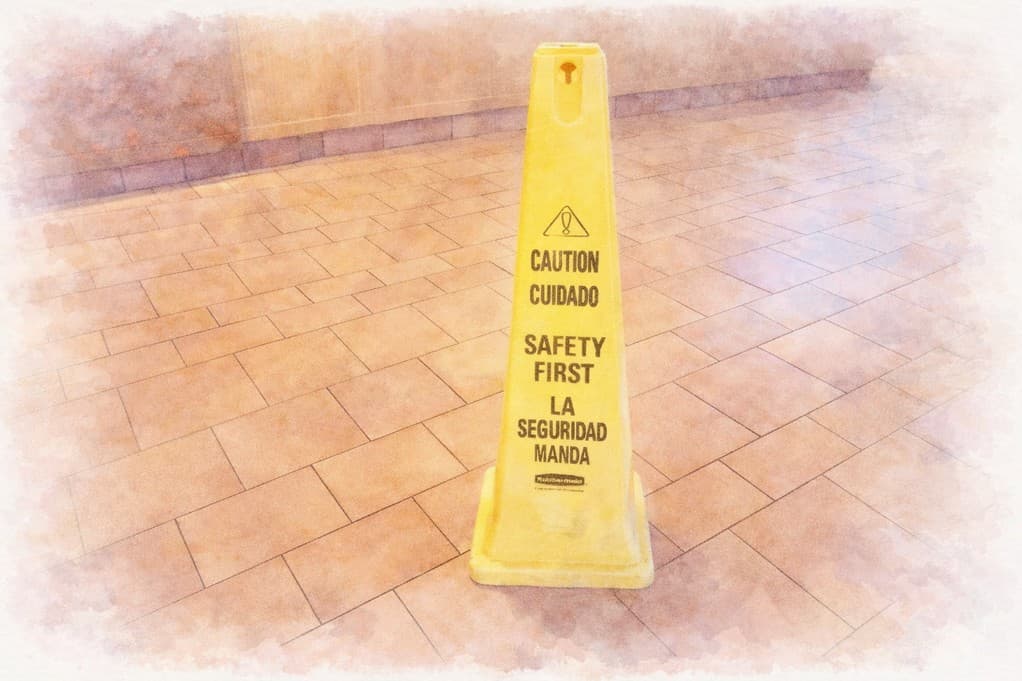
Churches are full of good people. That's one of the best things about them. It's also the reason many churches unintentionally take on more risk than they realize.
When something goes wrong, a church rarely gets evaluated by its intentions. It gets evaluated by its systems. What was your policy, who was trained on it, and can you prove it was followed.
That's why the phrase "we've never had an issue before" can be one of the most dangerous beliefs in church safety. Not because it's dishonest, but because it often means the church has never been tested. A safety plan isn't really a plan until it's written down, taught, practiced, and documented.
Who This Guidance Is Coming From, and Why It Matters
This framework is shaped by insights from Lara Ward, a Certified Safety Professional with a master's degree in safety sciences and years of real-world experience across industries. She's worked in insurance loss control, managed safety in complex public environments like theme parks, and now consults with organizations on practical, "boots-on-the-ground" safety systems. She also serves on a church risk management team, so she understands the unique reality churches face: high volunteer turnover, limited bandwidth, and a strong desire to stay welcoming.
What follows is guidance grounded in real-world experience, not theory or fear, focused on practical systems that protect people and reduce preventable liability.
The Shift That Changes Everything: From Good Intentions to a "Show Me" Safety Plan
A defensible church safety system is built for the moment when someone asks, "Show me how you prevent this."
That question might come from an insurance carrier, an attorney, a parent, a board member, or your own staff after a scary incident. A defensible system lets you answer with clarity, and with documentation.
A church safety plan becomes defensible when it can truthfully say:
- This is our standard
- These people were trained
- We actually do the routine
- Here's the record of it
- Here's what we changed after the last issue
That's not bureaucracy. That's stewardship.
Safety and Welcoming Are Not Opposites
Many church leaders hesitate because they assume safety makes a church feel cold or suspicious. In reality, the opposite is often true.
A church that is visibly organized, prepared, and consistent feels safer to families, guests, seniors, and volunteers. A welcoming environment becomes more believable when it's backed by preparation.
You don't need to turn your church into a fortress. You need to remove uncertainty.
What a Defensible Church Safety Plan Includes
A strong church risk management approach doesn't start with a big binder. It starts with a few non-negotiables that you actually maintain.
Here are the core components that create a defensible system.
1. Written Policies That Match Reality
If it isn't written down, it can't be consistently trained, enforced, or proven.
Start with a small set of policies that cover the most common areas of church liability:
- Children's ministry supervision and check-in/check-out
- Medical emergencies and response roles
- Facility inspections and hazard reporting
- Incident reporting and follow-up
- Transportation and volunteer drivers (if applicable)
Keep policies short and clear. A policy that's too complex becomes a policy nobody follows.
2. Role Clarity and Real Authority
Many safety efforts fail because the "safety lead" has responsibility without authority.
Every safety policy needs two things:
- An owner who is responsible for routine execution
- A leader who empowers enforcement, even when it's awkward
If the culture is "we don't want to bother people," you will lose consistency. Consistency is the whole point.
3. Training That Is Repeatable, Not Heroic
Churches are volunteer-heavy, and turnover is normal. So training must be a process, not a one-time event.
A simple training rhythm can be more effective than a complicated training program. Make it predictable and role-based, then document it. The goal is not to overwhelm people. The goal is to create a pattern that survives staff changes and growth.
4. Routine Prevention Through Inspections
A large share of real church incidents are not sensational. They're simple and common: slip, trip, and fall issues, poor lighting, loose handrails, cluttered hallways, missing signage, neglected maintenance.
If you want one habit that reduces church liability quickly, it's this: Do regular walk-through inspections, log them, and fix what you find.
That single pattern does three things at once:
- Reduces preventable injuries
- Creates a paper trail that proves reasonable care
- Forces problems into the open before they become incidents
5. Documentation That Turns Intentions Into Proof
When an incident happens, documentation determines whether your church looks responsible or careless.
At a minimum, you want a simple system to store:
- Training records (who, what, when)
- Inspection logs (what was checked, and when)
- Incident reports (what happened, who responded, and next steps)
- Corrective actions (what changed afterward)
Documentation is the difference between "we meant well" and "we acted responsibly."
Children's Ministry: Where Risk Is Highest and Expectations Are Strictest
If your church is building a safety plan, children's ministry is where you treat safety as non-negotiable.
Many churches stop at background checks. Background checks matter, but they're baseline. They don't replace supervision standards, check-in controls, and clear protocols for the moments that create real risk.
If you're building a defensible children's ministry safety policy, focus on making these things painfully clear:
- Supervision rules that work in real life
- Check-in/check-out procedures
- Bathroom and diapering protocols
- What happens when a child is injured, sick, or missing
- What must be documented, and who is responsible
A safety plan isn't real until it can be followed under pressure.
A Practical Starting Point: Connect with Wooli
If your church safety plan feels overwhelming, Wooli doesn't try to solve everything at once. We come alongside you based on your needs and how you scored on the Wooli Clarity Scale.
Final Thought
Good people are a gift. But good people without a system create uncertainty. A defensible church safety plan protects your congregation, strengthens trust with families, and reduces preventable liability.
Safety is not a distraction from ministry. It's one of the ways you care for people well.
Protecting people is part of leading well. Wooli helps churches turn care into consistent action by documenting policies, tracking training, logging inspections, and keeping everything organized in a system that outlasts turnover.

Written by
Wooli
Wooli is a church safety platform built to simplify safety for ministry environments. Wooli helps churches build defensible, documented safety systems — covering children's ministry, facility maintenance, emergency preparedness, volunteer management, and more. The platform is designed around one core conviction: good intentions aren't enough. Churches need clear processes, consistent follow-through, and records that prove it. Wooli serves congregations of all sizes and denominations, making it easier to protect the people they care about most. Learn more at wooli.com.
More articles from Wooli
Churches & Non-Profits
How to Run a Monthly Safety Drill Without Disrupting Ministry
Learn how to run quick, calm 3-minute monthly church safety drills that protect your congregation and empower volunteers without causing panic or service delays.
Lara Ward·
Read
Churches & Non-Profits
Church Security Risk Assessment: A Step-by-Step Guide for Safer Ministry
Learn how to conduct a church security risk assessment with a practical step-by-step process. Improve church safety, reduce risk, and build a stronger safety plan.
Wooli·
Read
Churches & Non-Profits
Church Incident Reporting: How to Document Safety Incidents the Right Way
Learn how to create a church incident reporting process that improves documentation, follow-up, and accountability. A practical guide for safer ministry environments.
Wooli·
Read