Easy Safety Wins You Can Implement This Week
Five simple, budget-friendly safety improvements you can make this week to keep your team, volunteers, and community safe.
Lara Ward·
Hello, Lara here.
I know how overwhelming safety can feel sometimes and it’s easy to think safety improvements have to be big, expensive projects. But here’s the truth: you can make real safety progress this week without breaking your budget or adding a dozen extra meetings to your calendar. In my years as a Certified Safety Professional, I’ve learned that small wins stack up fast — and they keep people safe just as effectively as some of the “big” fixes.
So grab your coffee, and let’s talk about five easy safety wins you can knock out before Friday.
1. Update Your Emergency Contact List
I’ve walked into more than one organization where the “emergency contact list” was taped to the fridge… last updated in 2015. Yikes.
Tip: Add or update emergency contacts in your cell phone. You can also print or post a current list with names, phone numbers, and roles for key staff, volunteers, and emergency services. Keep a copy in your office, at each desk, the Welcome Center and with event leaders.
Why it matters: When an emergency happens, seconds count. You don’t want to be digging through your phone wondering if “Pastor Mike’s number” is still the same. Confirm now that you have the correct number.
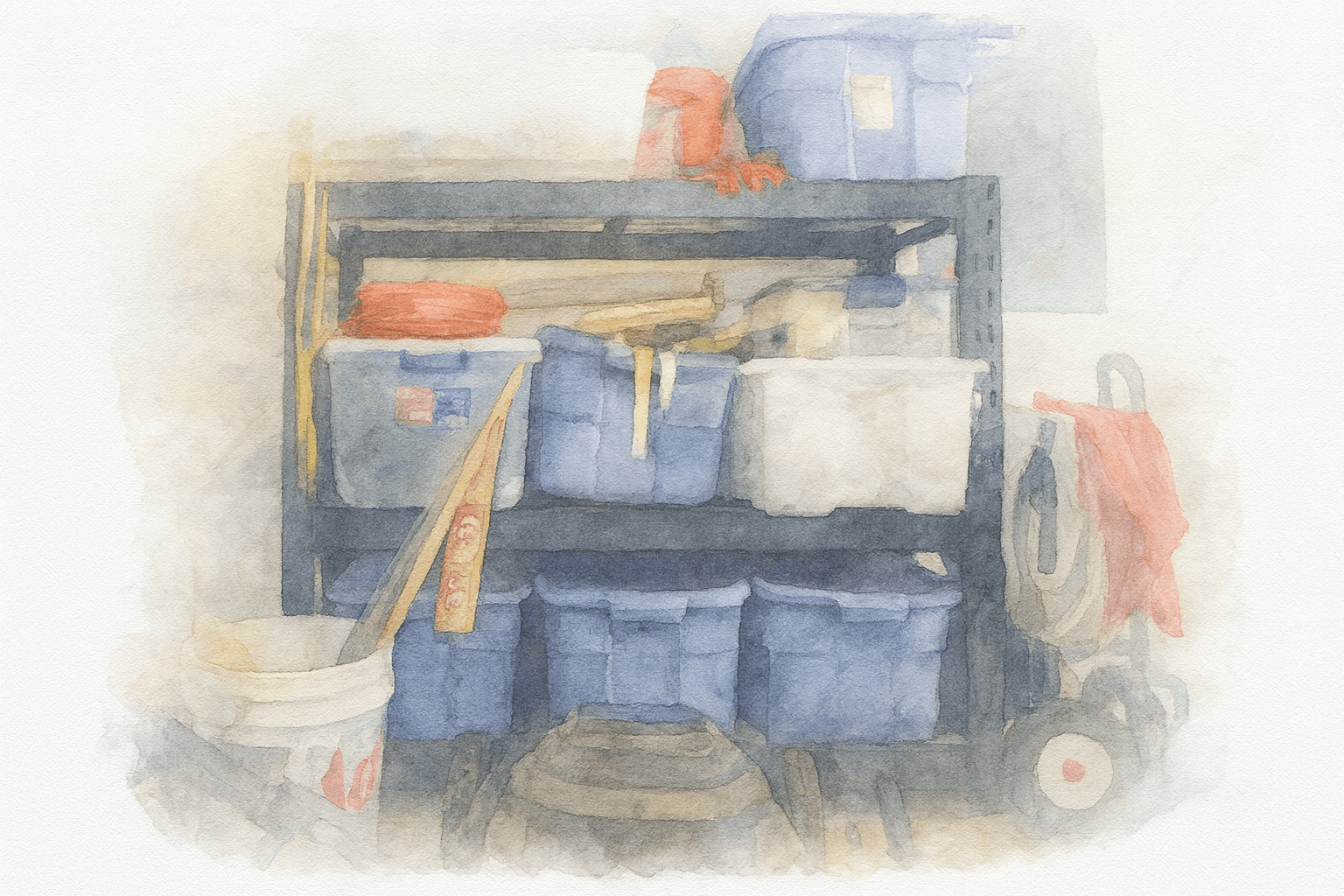
2. Clear the Clutter
I once saw a church storage room that looked like a game of Jenga waiting to happen. One wrong move, and it was over.
Tip: Pick one hallway, entrance, or storage space and clear anything that could cause trips, block exits, or fall on someone. Bonus points if you label the shelves before you put things back.
Why it matters: Most injuries in churches and nonprofits are slips, trips, and falls and clutter is often the culprit.
3. Test Your AED and First Aid Kits
You’d be amazed how many AEDs I’ve found… with dead batteries. Or first aid kits missing half their supplies.
Tip: Check your AED to make sure the pads are in date and the battery is good. Open your first aid kits and restock what’s missing, especially gloves, bandages, and antiseptic wipes.
Why it matters: These tools save lives but only if they’re ready to use.
4. Walk Your Property at Night
I can’t tell you how many “we’re all set” security plans I’ve seen… until we walked the property after dark and found broken lights, unlatched gates, and wide-open side doors.
Tip: Take a quick walk outside after sunset to check lighting, locks, and sightlines. Fix any dark spots, and make sure unused doors are secured.
Why it matters: Evening events and dark parking lots can invite both safety and security issues.
5. Do a Two-Minute Safety Huddle
I’ve trained teams in giant manufacturing plants and tiny churches, and this tip works everywhere.
Tip: Before your next meeting or event, take two minutes to review one safety topic — like where the exits are, who’s trained in CPR, or how to report an incident.
Why it matters: Safety sticks when it’s part of your regular routine, not just an annual training.
Bottom Line from Lara
You don’t have to overhaul your entire safety program to make a difference. Pick one (or all!) of these easy wins this week, and you’ll be ahead of where you were yesterday.
Small steps = safer spaces. And trust me, your team, your volunteers, and your community will feel the difference.
If you want a tool that helps you track these wins, remind you when checks are due, and store all your safety documentation in one place, join the Wooli waitlist. I’m building it with people like you in mind, because safety shouldn’t be complicated.
Simplifying safety,
Lara

Written by
Lara Ward
Lara is a Certified Safety Professional (CSP) with deep expertise in risk management, OSHA standards, and organizational safety across sectors like hospitality and manufacturing. She leads the development of protocols, policies, and training content, serving as the platform's subject matter expert. Lara holds a Bachelor's degree in Public Health with a concentration in Environmental and Occupational Health from Kent State University, and a Master's in Safety Sciences from Indiana University of Pennsylvania.
More articles from Wooli

Churches & Non-Profits
How to Run a Monthly Safety Drill Without Disrupting Ministry
Learn how to run quick, calm 3-minute monthly church safety drills that protect your congregation and empower volunteers without causing panic or service delays.
Lara Ward·
Read
Churches & Non-Profits
Church Safety Plan: How to Build a Defensible Church Safety System
Churches are full of good people. That's one of the best things about them. It's also the reason many churches unintentionally take on more risk than they realize.
Wooli·
Read
Churches & Non-Profits
Church Security Risk Assessment: A Step-by-Step Guide for Safer Ministry
Learn how to conduct a church security risk assessment with a practical step-by-step process. Improve church safety, reduce risk, and build a stronger safety plan.
Wooli·
Read