The Hallway Collision: How to Handle a Minor Injury at Church
Six essential steps for handling minor injuries at church, from staying calm and providing first aid to documenting incidents and fixing hazards.
Lara Ward·
Hey, Lara here.
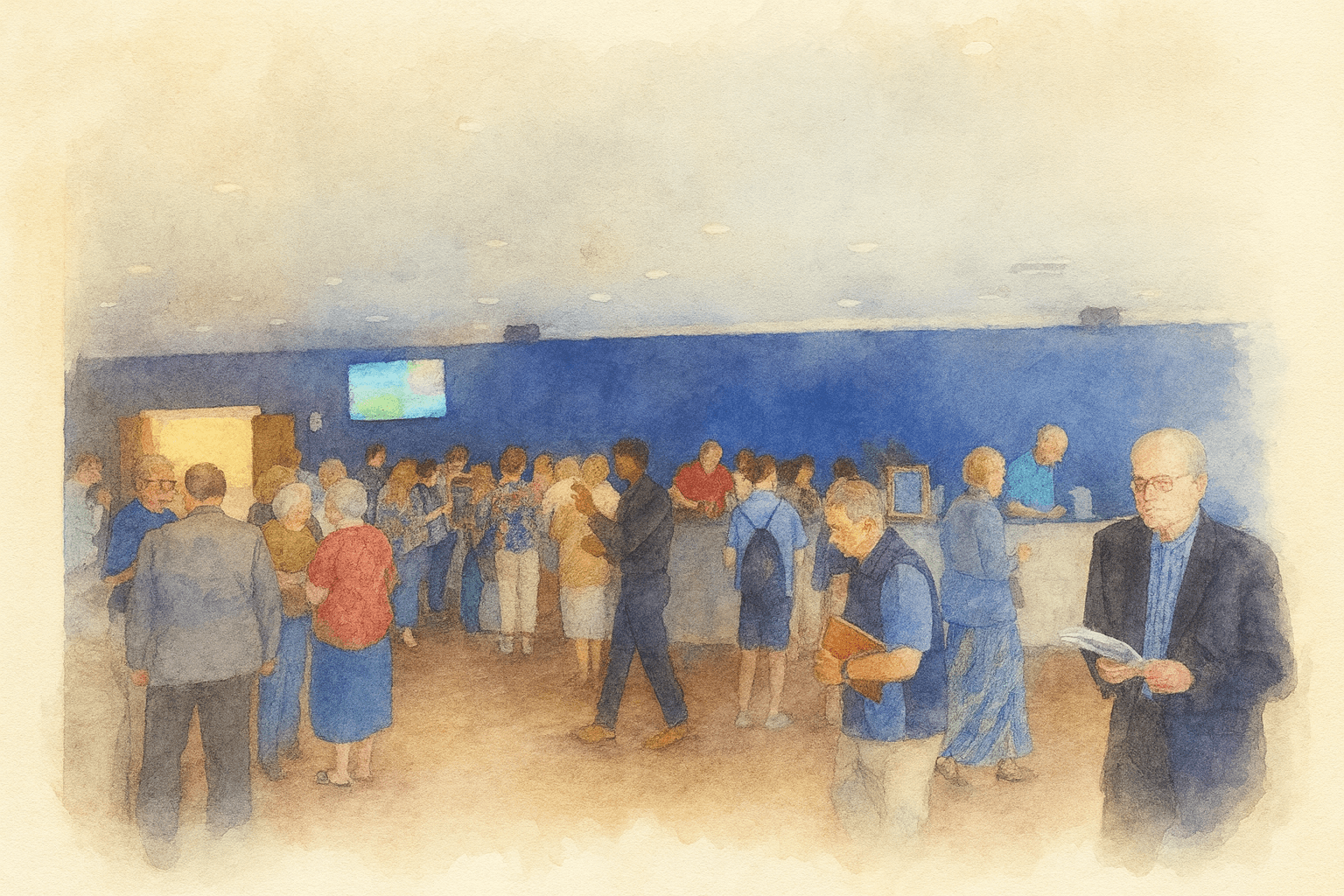
If you've spent any amount of time in church hallways, especially between services, you know they can feel a little like airport terminals mixed with a middle school cafeteria. People everywhere. Kids running. Coffee in hand. Volunteers weaving through crowds like seasoned air traffic controllers.
And as someone who's walked through hundreds of ministry spaces, I can tell you:
One of the most common incidents in churches is the classic hallway collision.
Two kids bump into each other.
Someone turns a corner too fast.
A volunteer accidentally gets clipped by a sprinting toddler.
Most of the time, it's minor. A bumped elbow, a scraped knee, maybe a spilled latte.
But here's the part most churches don't realize:
How you handle small injuries matters just as much as how you handle big ones.
Your response protects people, reduces liability, and builds trust with families and your congregation.
So let's talk about exactly what to do the moment one of those little hallway mishaps happens.
1. Pause, Assess, and Stay Calm
I once watched a volunteer panic so hard after a kid tripped over his own shoelaces that the parents thought something serious had happened. It hadn't, but the reaction made it feel worse than it was.
Tip: Take a quick breath and stay steady. Your calm becomes their calm.
Why it matters:
Kids (and adults) mirror the emotions of the people around them. A peaceful response helps everyone relax and allows you to assess the situation clearly.
What to check:
- Is the person alert and responsive?
- Any bleeding, swelling, or obvious pain?
- Can they move the injured body part?
Pro Insight:
Use a soft, reassuring tone. "Hey, you're okay, let's check this out together."
2. Move to a Safe Space
Hallways are busy, loud, and full of tripping hazards. You don't want to address an injury while crowds funnel around you.
Tip: If possible and appropriate, gently guide the person to a quieter area.
Why it matters:
It keeps others from colliding again and gives you room to help without distractions.
What to check:
- Find a chair or bench where they could have a seat
- Keep siblings or friends nearby but out of the way
- Have another volunteer help manage foot traffic
Pro Insight:
Assign one volunteer every Sunday as the "hallway safety helper." They can assist with crowd flow and spot hazards before collisions even occur.
3. Provide Basic First Aid (Within Your Training)
I've seen well-meaning volunteers do everything from overreacting to underreacting. The key is sticking to simple, trained basics.
Tip: Apply only what you're trained to do. Nothing more.
Why it matters:
Simple first aid done well is far better than complicated care done incorrectly.
What to check:
- Wear disposable gloves
- Apply a bandaid if needed
- Use ice packs for bumps or bruises
- Monitor for dizziness or increasing pain
Pro Insight:
Keep first aid kits stocked and visible. If it takes more than a minute to find one, it's too hard to access.
4. Notify Parents or Guardians Quickly
One of the biggest trust breakers I've seen is when parents aren't told that a minor injury occurred. Even if it's tiny, communication matters.
Tip: Tell parents right away, even if the injury seems insignificant.
Why it matters:
Transparency builds trust, and parents appreciate being informed directly, not hearing from their child in the car afterward.
What to include:
- What happened
- What you observed
- What care was given
- How the child is doing now
Pro Insight:
Use simple, calm language: "Just wanted to let you know Emma bumped into another child and scraped her knee. We cleaned it, put on a bandaid, and she's doing great."
5. Document the Incident Every Time
I know, I know… paperwork.
But trust me on this: documentation is your safety net.
I've worked with churches where a small hallway collision turned into a larger claim weeks later, and there was no record of the original incident. Not great.
Tip: Fill out an incident report for every injury, big or small.
Why it matters:
It protects your church, clarifies what actually happened, and helps you spot patterns or recurring hazards.
What to note:
- Who was involved, notified and witnessed the event
- What happened and what care was provided
- When it happened
- Where it happened
Pro Insight:
Electronic reports make this drastically easier. No lost forms. No coffee-stained clipboards.
6. Fix the Hazard That Caused the Issue
A hallway collision may feel random, but most "accidents" have causes:
crowded corners, slippery floors, blind spots, clutter, running kids, poorly placed equipment.
Tip: Do a quick root cause check within 24 hours.
Why it matters:
Minor incidents reveal opportunities to prevent major ones.
What to check:
- Was something blocking visibility?
- Was the floor wet?
- Do you need signage reminding kids not to run?
- Should furniture be rearranged?
Pro Insight:
Turn hallway safety into a weekly walkthrough. It takes 5 minutes and prevents a lot of incidents.
Bottom Line from Lara
Minor injuries happen, they're part of life and part of ministry.
But how you respond sets the tone for safety across your entire church.
A quick, calm, consistent process:
- protects people
- reassures parents
- builds trust
- reduces liability
- and strengthens your safety culture
If you want a system that helps you track incidents, update documentation, remind you about hazard checks, and organize your safety program without the chaos, join the Wooli waitlist. We're building it to make hallway safety (and every other area) simple, clear, and consistent.
Safety always,
Lara-
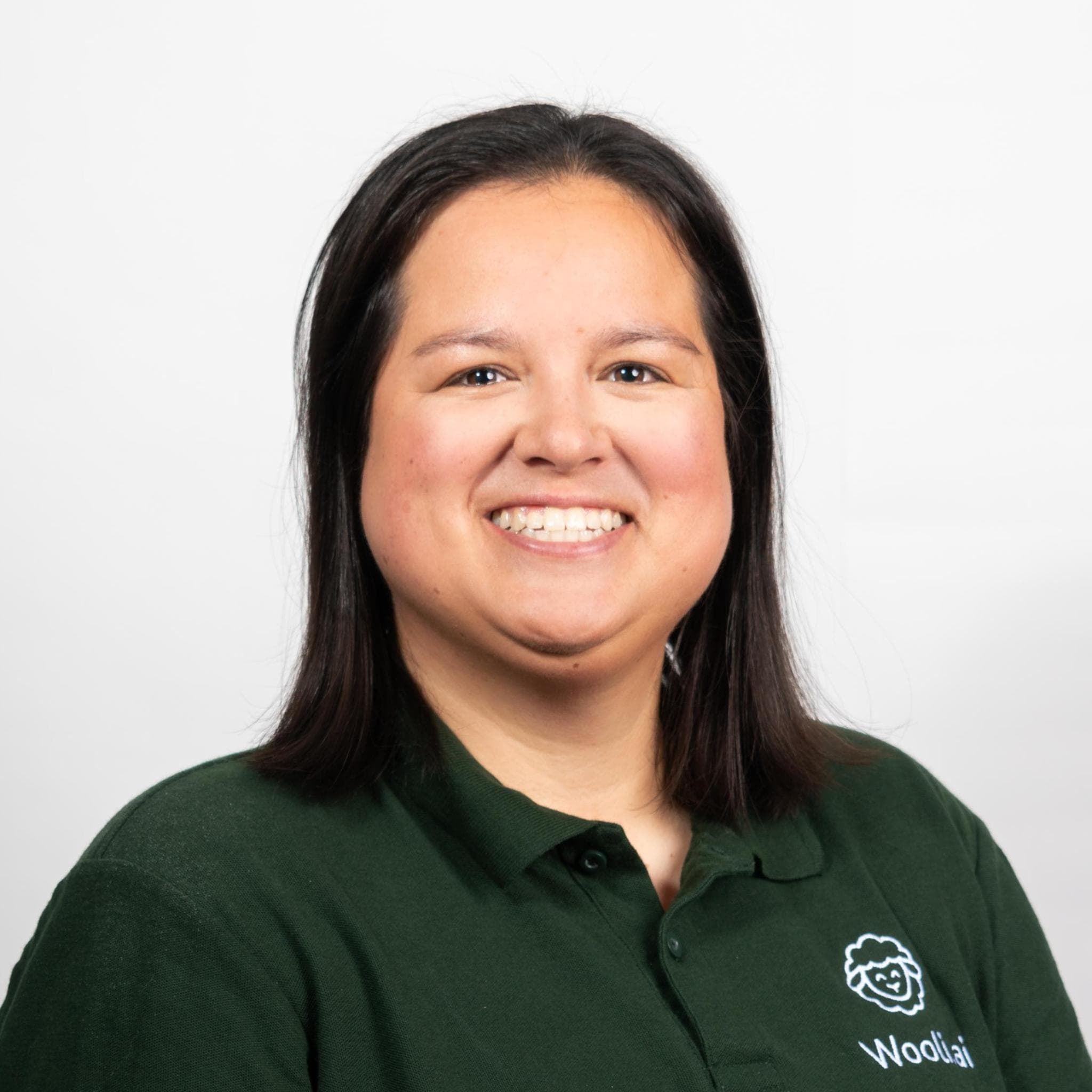
Written by
Lara Ward
Lara is a Certified Safety Professional (CSP) with deep expertise in risk management, OSHA standards, and organizational safety across sectors like hospitality and manufacturing. She leads the development of protocols, policies, and training content, serving as the platform's subject matter expert. Lara holds a Bachelor's degree in Public Health with a concentration in Environmental and Occupational Health from Kent State University, and a Master's in Safety Sciences from Indiana University of Pennsylvania.
More articles from Wooli
Churches & Non-Profits
How to Run a Monthly Safety Drill Without Disrupting Ministry
Learn how to run quick, calm 3-minute monthly church safety drills that protect your congregation and empower volunteers without causing panic or service delays.
Lara Ward·
Read
Churches & Non-Profits
Church Safety Plan: How to Build a Defensible Church Safety System
Churches are full of good people. That's one of the best things about them. It's also the reason many churches unintentionally take on more risk than they realize.
Wooli·
Read
Churches & Non-Profits
Church Security Risk Assessment: A Step-by-Step Guide for Safer Ministry
Learn how to conduct a church security risk assessment with a practical step-by-step process. Improve church safety, reduce risk, and build a stronger safety plan.
Wooli·
Read