Safety Inspections: How Often and What to Look For
A practical guide to safety inspection schedules and checklists for churches, covering frequency, key areas to inspect, and how to make inspections simple and consistent.
Lara Ward·
Hey, Lara here.
One of the simplest ways to reduce injuries and prevent emergencies in a church is to complete regular safety inspections. The trouble is that many churches either do inspections far too infrequently or they walk through the building without really knowing what they should be looking for.
Safety inspections do not have to be complicated. They do not require special equipment. And they certainly do not require a full afternoon. What they do need is consistency and a clear checklist.
Let's break down how often to inspect, what to look for, and how to make these inspections a normal, healthy part of your church rhythm.
1. How Often Should Churches Do Safety Inspections
There is no single schedule that works for every church, but here is a simple rule of thumb. The more people use a space, the more often it should be inspected.
Weekly inspections
Use this frequency for:
- Children's areas
- High traffic hallways
- Worship spaces
- Entrances and exits
- Parking lots and sidewalks
Weekly inspections catch small issues before they become big problems.
Monthly inspections
Use this frequency for:
- Storage areas
- Kitchens and fellowship halls
- Playgrounds
- Mechanical rooms
- Utility closets
- Fire extinguishers
- AEDs
- Emergency lighting
- Interior and exterior lighting
- HVAC units and filters
Monthly checks help you identify equipment issues, wear and tear, and potential fire hazards.
Quarterly or semi annual inspections
Use this frequency for:
- Policy and procedure reviews
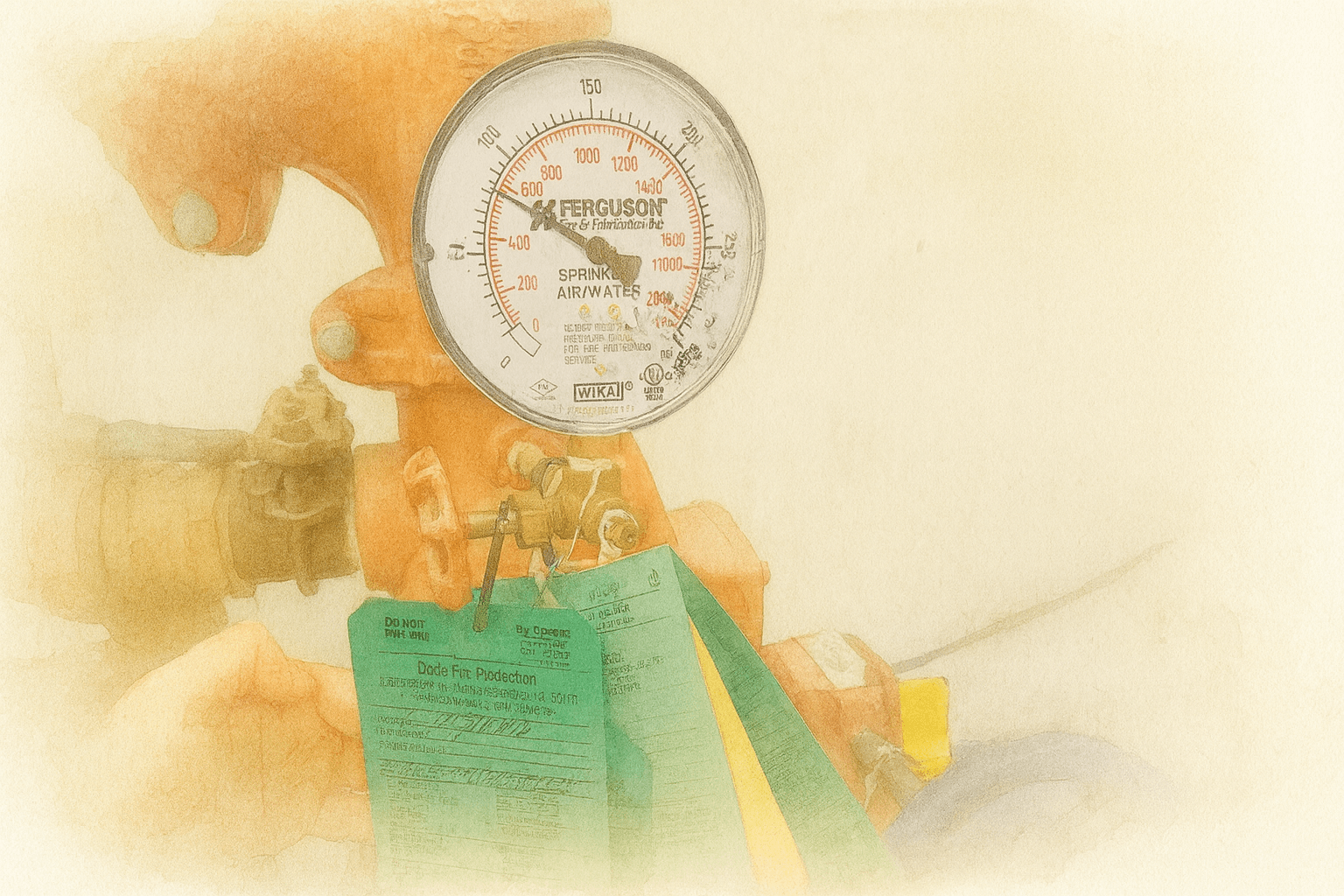
- Sprinkler Riser Area/Rooms
Pro Insight:
Whatever schedule you choose, write it down. Consistency is far more important than frequency.
2. What to Look For During Inspections
Most hazards in churches are small and easy to miss. That is why walking with a focused checklist makes such a huge difference.
Here are the top categories to inspect.
A. Trip and Fall Hazards
Trips and falls are the most common cause of injuries in churches.
Look for:
- Loose rugs
- Uneven flooring
- Electrical cords crossing walkways
- Clutter in hallways
- Poor lighting
Fixing these issues is usually fast and inexpensive.
B. Fire Safety Risks
Fires are rare, but the hazards that lead to them are extremely common.
Look for:
- Blocked exits
- Extinguishers without a current inspection tag
- Candles or heat sources near flammable items
- Overloaded power strips or daisy chaining
- Storage too close to ceilings in mechanical rooms
Pro Insight:
Exit routes should always be free of furniture, decorations, or equipment.
C. Children's Ministry Areas
Children's rooms need special attention because they involve higher oversight and liability.
Look for:
- Damaged toys or sharp edges
- Furniture that could tip
- Doors that do not latch
- Check in and check out tools working properly
- Choke hazards on the floor
- Clean and stocked first aid kits
D. Maintenance and Facility Issues
Small maintenance issues often go unnoticed until an incident forces attention.
Look for:
- Leaks or water damage
- Cracked sidewalks
- Broken railings
- Loose handrails
- HVAC noises or irregularities
- Exterior lights that do not come on
Pro Insight:
A simple maintenance log can save hours later when you need to track what was fixed and when.
E. Security Concerns
Security is not only about major threats. It is about creating an environment where people feel safe from the moment they drive onto the property.
Look for:
- Exterior doors propped open
- Doors that do not fully latch
- Cameras with obstructed views
- Blind spots in hallways or parking lots
- Missing or outdated signage
F. Emergency Preparedness
Emergencies rarely give warnings. Your tools and supplies need to be ready at all times.
Look for:
- AED pads and batteries in date
- Stocked first aid kits
- Clear evacuation maps
- Accessible emergency exits
- Working radios or communication devices
3. How to Make Inspections Simple and Consistent
An inspection does not have to take long. Many churches complete weekly checks in ten minutes. The goal is not perfection. The goal is awareness and timely action.
Tip: Use the same checklist every time.
This keeps inspections uniform and helps new volunteers feel confident.
Tip: Document each inspection.
Date, initials, and notes are enough. Documentation proves you are taking safety seriously.
Tip: Assign ownership.
Someone must be responsible for completing each inspection. When someone is accountable, the job gets done.
Tip: Fix small issues immediately.
A loose rug, a burnt-out bulb, or a blocked exit should not wait until the next meeting.
Pro Insight:
Create a simple digital form so your team can complete inspections from a phone. No clipboards, no lost papers, no guesswork.
Bottom Line from Lara
Safety inspections are one of the most effective and most overlooked tools a church has. With a simple checklist and a consistent rhythm, you can prevent injuries, strengthen confidence, and protect the people who walk through your doors every week.
Start with one small step this week. Walk your hallways. Check your exits. Test a few lights. Improvement begins with awareness.
If you want a tool that organizes your inspection schedule, stores reports, and reminds your team when checks are due, join the Wooli waitlist. We built it to make inspections simple, fast, and reliable for every church.
Safety always,
Lara

Written by
Lara Ward
Lara is a Certified Safety Professional (CSP) with deep expertise in risk management, OSHA standards, and organizational safety across sectors like hospitality and manufacturing. She leads the development of protocols, policies, and training content, serving as the platform's subject matter expert. Lara holds a Bachelor's degree in Public Health with a concentration in Environmental and Occupational Health from Kent State University, and a Master's in Safety Sciences from Indiana University of Pennsylvania.
More articles from Wooli
Churches & Non-Profits
How to Run a Monthly Safety Drill Without Disrupting Ministry
Learn how to run quick, calm 3-minute monthly church safety drills that protect your congregation and empower volunteers without causing panic or service delays.
Lara Ward·
Read
Churches & Non-Profits
Church Safety Plan: How to Build a Defensible Church Safety System
Churches are full of good people. That's one of the best things about them. It's also the reason many churches unintentionally take on more risk than they realize.
Wooli·
Read
Churches & Non-Profits
Church Security Risk Assessment: A Step-by-Step Guide for Safer Ministry
Learn how to conduct a church security risk assessment with a practical step-by-step process. Improve church safety, reduce risk, and build a stronger safety plan.
Wooli·
Read